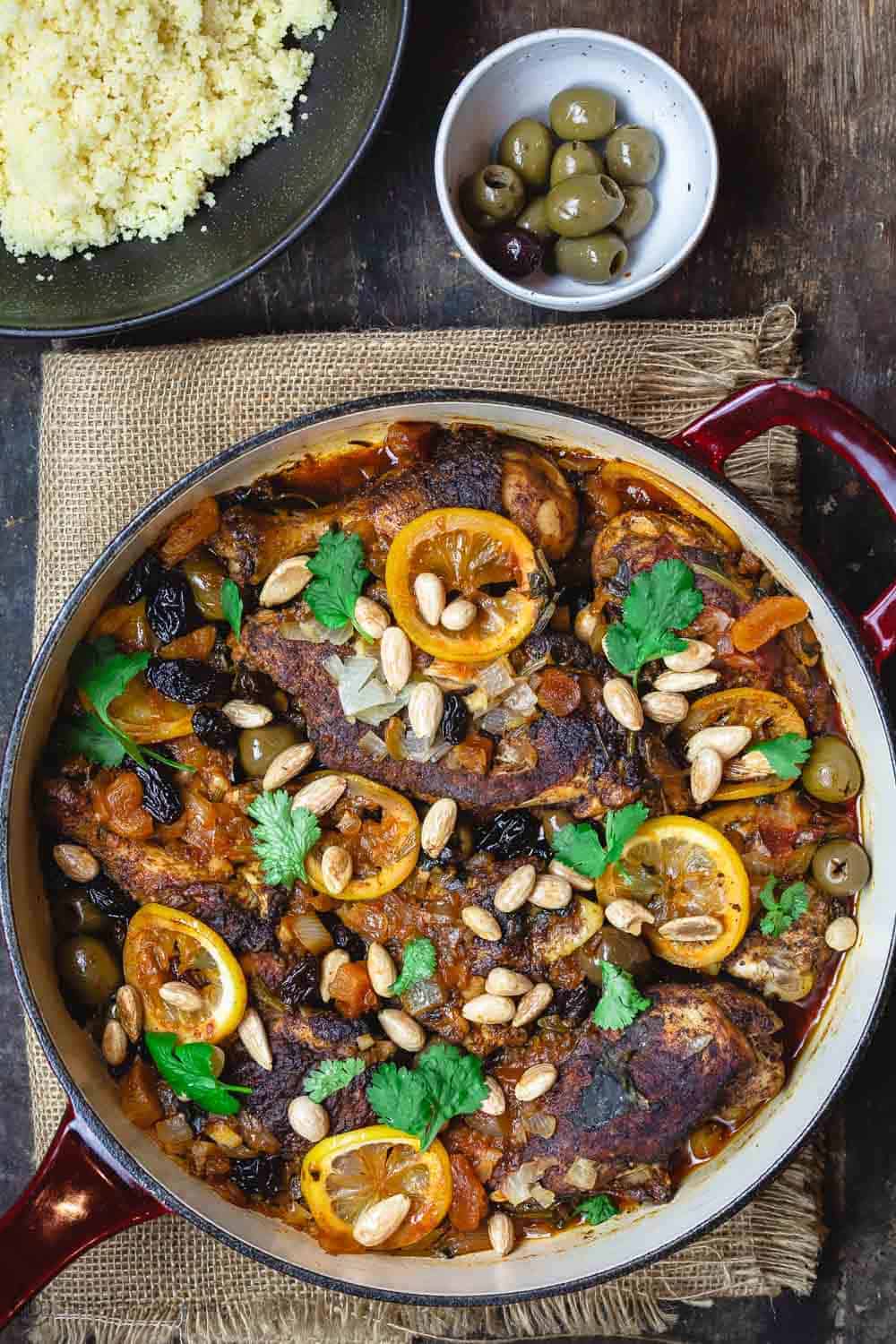
Authentic Moroccan Chicken: A Culinary Journey of Zesty Lemon, Olives & North African Spices
Imagine a dish that instantly transports you to the bustling souks and sun-drenched kitchens of Marrakech – a symphony of aromas, a dance of flavors. That's precisely what you get with authentic
Moroccan chicken. More than just a meal, it's an experience, a rich tapestry woven with vibrant spices, the bright tang of lemon, and the salty counterpoint of olives. This beloved North African staple, celebrated for its fall-off-the-bone tender chicken simmered in an intoxicating sauce, promises an unforgettable culinary adventure right in your own home. Despite its complex flavor profile, creating this aromatic masterpiece is surprisingly straightforward, proving that remarkable taste doesn't always require endless effort. Get ready to awaken your senses and discover why this zesty lemon, olive, and spice-infused chicken is a favorite across the globe.
The Heart of Moroccan Cuisine: A Symphony of Flavors
At the core of every incredible
Moroccan chicken dish lies a harmonious blend of ingredients that tell a story of ancient trade routes and diverse cultural influences. It’s a cuisine that masterfully balances sweet, savory, and tangy notes, creating a depth of flavor that is truly unique.
Unveiling the North African Spice Blend
The soul of
Moroccan chicken undoubtedly resides in its unique spice blend. Far from being an afterthought, these aromatics are meticulously chosen to build a robust and fragrant foundation. While specific combinations vary, a classic rendition typically includes:
- Cumin: Earthy and warm, cumin provides a foundational savory note, grounding the other spices.
- Ginger: Offering a pungent, zesty heat, ginger adds a bright, invigorating dimension.
- Cinnamon: Not just for sweets, cinnamon in savory Moroccan dishes lends a subtle, sweet warmth that beautifully complements the other spices and rounds out the flavor. A whole cinnamon stick, added during braising, infuses the dish with this delicate sweetness.
- Turmeric: Beyond its vibrant golden hue, turmeric contributes a mild, earthy bitterness and a host of health benefits. It's essential for both color and flavor in many North African stews.
- Paprika: Sweet or smoked, paprika adds a mild, peppery warmth and a lovely reddish tint to the chicken rub and sauce.
- Cayenne Pepper: For those who appreciate a kick, a pinch of cayenne delivers a pleasant, lingering heat that doesn't overpower the other flavors.
- Salt: Crucial for seasoning and enhancing all the other ingredients.
For a truly authentic shortcut or an even deeper flavor profile, some cooks opt for
Ras el Hanout, a complex Moroccan spice blend that can contain dozens of different spices, acting as a one-stop flavor shop. However, building your own blend allows for personal customization of the spice levels.
The Distinctive Duo: Preserved Lemon & Briny Olives
No discussion of authentic
Moroccan chicken would be complete without highlighting the indispensable role of preserved lemons and green olives. These two ingredients elevate the dish from simply delicious to truly extraordinary.
*
Preserved Lemon: This is a game-changer. Unlike fresh lemon, which offers a sharp, acidic punch, preserved lemon provides a complex, fermented flavor that is salty, tangy, and deeply umami. The pith mellows significantly during the preserving process, leaving behind a soft, aromatic rind bursting with concentrated lemon essence. Typically, only the rind (and sometimes a bit of the pulp) is used, finely chopped and stirred in during the final stages of cooking. If you've never tried them, you're in for a treat; they add an unparalleled depth that fresh lemon simply cannot replicate. You can find them in specialty stores or easily make your own with salt and time.
*
Green Olives: The addition of briny green olives, often varieties like Beldi or Picholine, cuts through the richness of the sauce, offering a delightful salty counterpoint and a pop of color. Their bold flavor complements the lemon and spices, creating a well-rounded and incredibly satisfying dish.
Crafting Culinary Magic: Tips for Your Authentic Moroccan Chicken
While the ingredient list might seem extensive, the process of preparing
Moroccan chicken is surprisingly intuitive and rewarding. It's a dish designed for simmering and melding, where time does most of the heavy lifting.
Choosing Your Chicken: Bone-In, Skin-On is Best
For the most succulent and flavorful results, bone-in, skin-on chicken pieces – particularly thighs – are highly recommended. Here’s why:
* **Flavor:** The bones infuse the braising liquid with rich collagen and marrow, adding immense depth to the sauce.
* **Moisture:** The skin protects the meat from drying out during the long simmering process, keeping it incredibly juicy.
* **Richness:** The fat rendered from the skin contributes a wonderful richness to the dish, enhancing its overall mouthfeel.
While you *can* use boneless, skinless chicken thighs or even a whole cut-up chicken, be aware that cooking times may vary, and you might lose some of the signature richness and depth that bone-in, skin-on pieces provide.
The One-Pot Wonder: Simplicity Meets Sophistication
One of the most appealing aspects of this
Moroccan chicken recipe is its one-pot nature. This not only simplifies the cooking process but also significantly reduces cleanup – making it an ideal candidate for a weeknight meal that feels incredibly special. The magic begins with browning the chicken:
1.
Searing for Flavor: Don't skip this crucial step! Browning the seasoned chicken pieces in olive oil creates a beautiful crust and kickstarts the Maillard reaction, developing deep, complex flavors that become the foundation of your sauce. Aim for about 5 minutes per side until golden brown.
2.
Building the Aromatics: After removing the chicken, the same pot is used to sauté onions until soft, followed by garlic and tomato paste. The tomato paste, cooked briefly, intensifies its flavor, adding a concentrated burst of savory sweetness to the sauce.
3.
Deglazing for Depth: Pouring in chicken broth after the aromatics are cooked, and scraping up all the delicious browned bits from the bottom of the pot, is key to capturing every ounce of flavor. This process, known as deglazing, adds another layer of richness to your sauce.
4.
Simmering to Perfection: Once the diced tomatoes, cinnamon stick, and browned chicken are returned to the pot, the mixture is brought to a boil, then reduced to a gentle simmer. This low, slow cooking allows the chicken to become fall-off-the-bone tender and for all the incredible spices, lemon, and olive flavors to meld beautifully. For an even easier approach to this delicious cooking method, check out our guide on
One-Pot Moroccan Chicken: Fall-Off-The-Bone Delicious & Easy.
Ingredient Spotlight: Building the Flavor Foundation
Beyond the chicken, spices, lemon, and olives, a few foundational ingredients are key to developing the signature savory taste:
*
Olive Oil: The bedrock of many Mediterranean and North African dishes, good quality olive oil provides a rich, fruity base for sautéing and braising.
*
Onion & Garlic: These ubiquitous aromatics are essential for building a savory foundation, offering a sweet and pungent depth.
*
Tomato Paste & Diced Tomatoes: Together, they contribute body, acidity, and a robust tomato flavor that balances the richness of the chicken and spices. The diced tomatoes also add a pleasant texture to the sauce.
*
Chicken Broth: The primary liquid for braising, it keeps the chicken moist and juicy while infusing it with flavor.
*
Fresh Herbs: A generous handful of fresh cilantro and parsley, stirred in at the end and used as a garnish, adds a burst of vibrant freshness and a touch of color to the finished dish.
Serving Your Moroccan Masterpiece: Beyond the Plate
Once your
Moroccan chicken has simmered to perfection, filling your kitchen with its intoxicating aroma, the final step is to serve it in a way that truly celebrates its flavors.
Traditional Pairings and Creative Twists
This versatile dish pairs beautifully with a variety of accompaniments, designed to soak up every last drop of the luscious, spiced sauce:
*
Couscous: The quintessential Moroccan side, light and fluffy couscous is ideal for absorbing the rich sauce.
*
Basmati Rice: Fragrant basmati rice offers another excellent canvas for the bold flavors of the chicken.
*
Crusty Bread: Don't underestimate the simple pleasure of fresh, crusty bread (like a baguette or pita) for scooping up the savory liquid.
*
Fresh Cilantro and Parsley: A final sprinkle of chopped fresh herbs adds a burst of freshness and visual appeal.
*
Creative Twists: Consider serving alongside a simple green salad dressed with a lemon vinaigrette, a dollop of spicy harissa paste for those who like extra heat, or even a sprinkle of toasted slivered almonds for added texture and nutty flavor.
What makes this
Moroccan chicken truly special is its adaptability. Despite its incredibly complex and impressive flavor profile, the relatively hands-off cooking process means it's suitable for a comforting weeknight dinner. Yet, its vibrant presentation and exotic appeal also make it an ideal choice for entertaining guests, leaving them impressed by your culinary prowess without hours spent in the kitchen. It’s a dish that tastes like you’ve been cooking all day, but comes together in just about an hour of active time.
Embrace the Flavors of Morocco
From the moment the fragrant spices hit the hot pan to the final garnish of fresh herbs, preparing authentic
Moroccan chicken is a sensory delight. It’s a dish that brings warmth, comfort, and an exciting burst of North African flavor to your table. The zesty lemon, the briny olives, and the aromatic blend of spices create a symphony for the palate, proving that exotic flavors can be surprisingly accessible. Don't let the unique ingredients intimidate you; embark on this culinary journey and discover your new favorite chicken dish.